
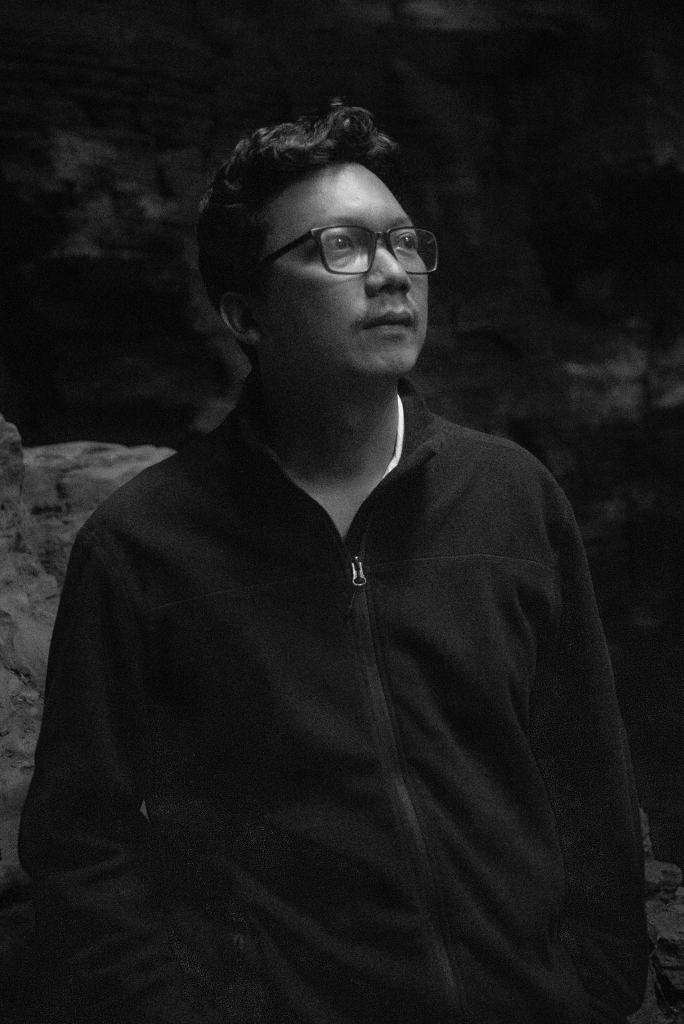
SANTUA TRIPURA
Santua Tripura is a filmmaker and photographer based in the Chittagong Hill Tracts of Bangladesh. His works mostly portray cultural marginalization, identity crisis of Indigenous youths, and the methods of intergenerational knowledge transmission among Indigenous peoples. He is now leading Ruwang Collective Arts.
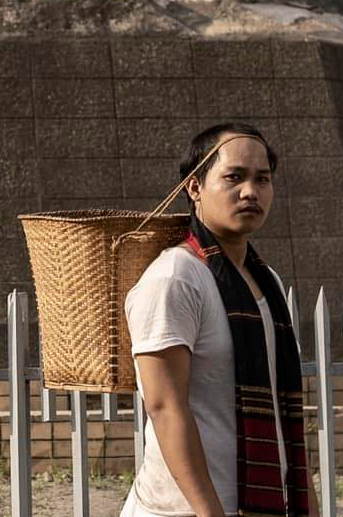
Jarin Chakma
Jarin Chakma is a Theatre student of Jagannath University and a Theatre Practitioner as a freelancer artist. Basically he would like to do experimental work associated with different acting method. Moreover, he has a strong interest in studying and researching on Ethnic theatre. He coordinates the programs of Ruwang Collective Arts.

Twisa tripura
Twisa Tripura is a cultural producer from Khagrachari, Chittagong Hill Tracts, Bangladesh. She coordinates one of our programs Cine CHT . Besides, she advocates for women’s rights, Indigenous rights, and environmental rights. She is currently engaged with the Back to the Roots Movement, a youth-led movement with the aim to revitalize Indigenous traditional culture and create awareness among the Indigenous youths.

ZOPARI LUSHAI
Zopari Lushai is a theatre practitioner and an actor, filmmaker based in Bangladesh. She coordinates the programs of Ruwang Collective Arts and actively contributing in the arena of Indigenous Women Filmmaking in Bangladesh.

Sathirtha Dewan
Sathirtha Dewan, a writer and researcher from the Chittagong Hill Tracts, has spent years refining his creative writing. By merging visual expertise with thorough research, he delves into the intersection of literature, communication, and media. His captivating narratives explore cultural and social landscapes, particularly focusing on cultural and area studies, challenging conventional viewpoints.

Natsumi Harada
Natsumi Harada, a Japanese national, has been actively involved in the education and arts sector in the Chittagong Hill Tracts since 2014. She currently serves as the External Relations Officer (Fundraising) for the Cine CHT project , a program that brings cinema to remote Indigenous territories, screening films in Indigenous languages and popular world cinema. It also supports Indigenous filmmakers by sharing their work with Indigenous communities in both remote areas and cities.
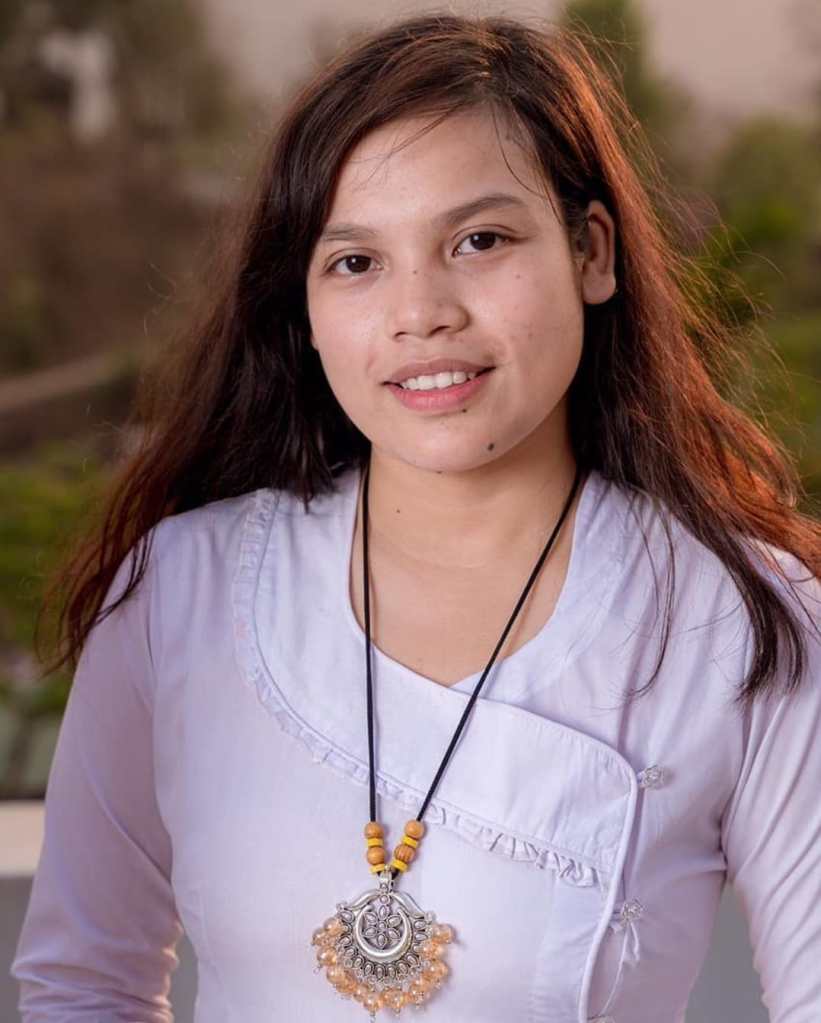
Sing Myau Marma
Sing Myau Marma is a filmmaker, content writer, and communication professional from Bandarban in the Chittagong Hill Tracts, Bangladesh. Her creative practice engages with the cultural narratives and policy concerns of Indigenous communities, exploring the intersections of identity and social justice. She currently works as a coordinator in our Community Filmmaking Program.
 Ruwang Collective Arts